Thursday, September 30, 2010

Steamed "Graham" Potato Buns


I love steamed breads. Until now I associated them with Asian dumplings, but this recipe hails from the United States. It is a simple yeast dough made with milk, mashed potato, whole wheat flour* and white flour. After the bulk rise, it's divided into nine rolls and popped in the steamer for 30 minutes.
The result is a hearty yet soft, fluffy bread with a perfect biscuit-like texture on the inside. I have never been able to make good biscuits with whole wheat flour; they always come out gritty, crumbly and dry. The mashed potato and white flour (1 part white to 2 parts whole wheat) in this recipe make the buns smooth and light(er), and I would sub them in for biscuits any day. The steaming gives them a sweet, shiny skin that only dumplings have. They are equally good with butter and honey as with a saucy, savory stew. I'll be making these again for sure.

*The recipe called for graham flour, which is white flour with bran mixed in, but I substituted freshly ground whole wheat pastry flour.

Wednesday, September 29, 2010

Whole Wheat Layered Apple and Bread Pudding


I think I have found my ideal cake: custard-soaked whole wheat bread interlaced with sweet, soft fruit and lots of butter.

I started this recipe by making a loaf of whole wheat bread, cutting 4 cups of it into cubes, and tossing them in melted butter. Meanwhile, I peeled and sliced three Granny Smith apples and sauteed them with some more butter, sugar, and a pinch of ginger. Thirdly, for the custard, I mixed together milk, sugar, eggs, cinnamon and a pinch of salt.  The apples went first into a buttered-and-sugared pudding basin (a 4-cup glass bowl), followed by a layer of bread cubes, and then two more layers of apples and bread. Finally, the best part is pouring the custard over everything and letting it soak in, like water on thirsty ground.

Like all other puddings, I covered the bowl with a piece of parchment, wrapped it in muslin, and set it in a pot of boiling water for about two hours. It smelled great while cooking and tasted like heaven. As apple desserts go, it was fairly easy - especially if I didn't bake the bread myself - and healthy-ish, too. I'd definitely make this one again.

Saturday, September 25, 2010

Boston Brown Bread

Boston brown bread is traditionally made with a mixture of rye, wheat, cornmeal, buttermilk and molasses steamed in a coffee can. I think it encapsulates the "make do" attitude of the first New Englanders.
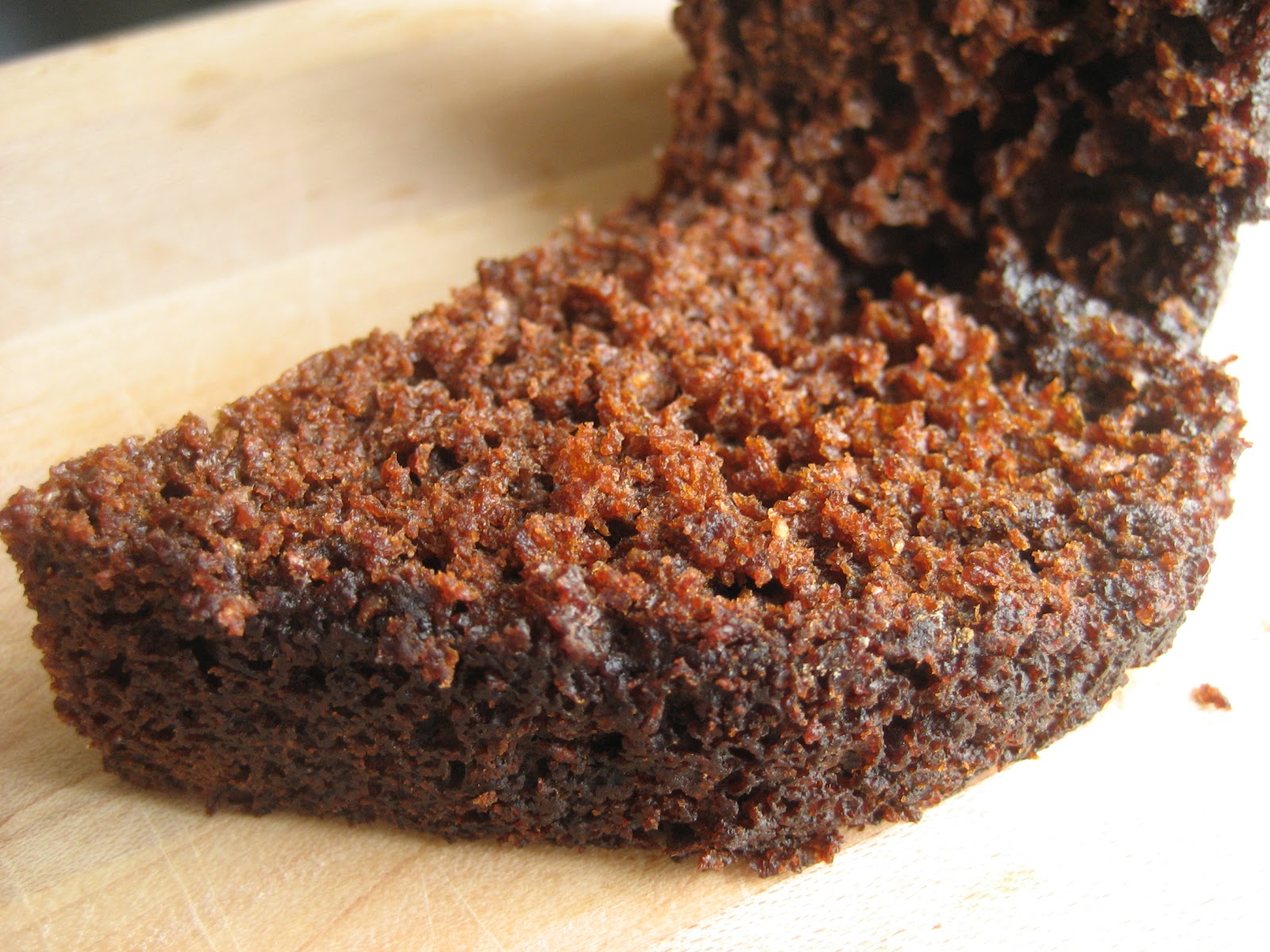
For this version, I used whole wheat flour and blue corn meal blended with yogurt, milk, molasses, Muscovado sugar, a pinch of salt and baking soda. I poured the batter into a buttered and sugared 4-quart glass bowl, covered it with a circle of parchment paper, wrapped it in muslin and put it in the bottom of a pot of boiling water for about two hours. The "bread" cooked up almost as light as sponge cake. While it looks rich and chocolaty, the overriding flavor here is baking soda. I think next time I would use less of that, if possible, and maybe add in some spices to accent the molasses.

Thursday, September 23, 2010

Chicken and Dumplings II


While the previous recipe hailed from Canada, this one is credited to the United States.  It was much simpler, with no frying step - everything just went into a pot with water.  Instead of carrots and potatoes, this recipe was all about the celery.  Rosemary instead of thyme provided the seasoning.  Without the onions and bacon sprinkled with flour fried in bacon fat, this broth was much thinner.  Also made with whole wheat flour but with less water, the dumplings were more dense and chewy.
I think the ideal chicken and dumpling stew would take the best of both: start with a little bacon and onions fried with flour for thickening, simmer the chicken for an hour, remove the chicken to cook the carrots, potatoes, and celery, and finally add the shredded chicken and dumpling batter (not as thin as the first recipe nor as thick as this one) in the last ten minutes of cooking.  Any way you cook it, any chicken and dumpling stew is the essence of comfort food.

Tuesday, September 21, 2010

Chicken Fricot with Dumplings

There are two recipes for chicken and dumplings in September, and thank goodness for that.
This one is Acadian in origin and, like many good things, starts with bacon.  I cooked the bacon in a big stock pot until the fat melted off, and then browned the chicken in it, removed the chicken, and sauteed some onions in the bacon fat.  I sprinkled the onions with flour and made a sort of roux.  Next the chicken went back into the pot with a quart and a half of water and simmered for an hour. The chicken came back out and in went some chopped carrots, potatoes and thyme to cook for a half hour longer.
While the roots cooked I pulled the chicken meat off the bones and prepared the dumplings: a simple batter of whole wheat flour, baking powder, salt, butter (cut into bits and rubbed into the flour) and cold water.  I added a bit too much water to compensate for the whole wheat flour and ended up with a very thin batter.  I even let it sit for a few minutes to thicken, but it flatly refused.
Finally (and this is the best part) - the chopped chicken returned to the pot and the dumpling batter splatted on top.  Together they simmered, covered, for 10 minutes, and then uncovered for a final 5 minutes.  Because the batter was so thin, these dumplings were very light and soft, and by the time leftovers came around, had disintegrated into the stew.  Next time I would use less water (I only added an extra ounce) or more flour. Altogether the flavor was phenomenal, and the velvety texture made this the definition of comfort food.  If I need a chicken stew recipe, this one will be high on my list.

Tuesday, September 14, 2010

Honey-Oat Pudding

Golden-brown like a big bowl of honey, this boiled pudding has a creamy, nubbly texture and mild sweetness like rice pudding.  The batter was made from boiled steel-cut oats, sugar, honey, beaten egg, baking powder, a pinch of salt, nutmeg and ginger, all beaten up and folded together with whole-wheat flour.  The whole grains, raw sugar (Rapadura) and the honey imparted an earthy, caramel flavor, while the baking powder kept it light.  Easy to make and surprisingly delicious.

Monday, September 6, 2010

Stovetop Black Grape Cobbler

Much like the peach-blueberry grunt of last month, this recipe is a simple whole wheat batter steamed over simmering, lightly sweetened summer fruit.  I had never heard of grape cobbler before, but it is much like blueberry cobbler, only the fruit retains its definition.
I started with a quart-sized package of big juicy black "table grapes."  I was supposed to use Concord, which would have been amazing (and seedy), but those are hard to find.  I plucked the grapes into a skillet, mashed half of them with a rolling pin, and drizzled them with a tablespoon of honey.
To make the dumplings, I ground some whole wheat flour into a bowl and mixed it with baking powder, salt and sugar, cut in some butter and mixed in some milk.  I used a little more milk than the recipe called for (5 oz instead of 4) because (a) I used whole wheat flour and (b) I wanted to drop the batter right onto the simmering fruit instead of shaping it like rolled biscuits.  Whole wheat breads of the biscuit nature simply do not work with the kind of flour I have.
After dropping the batter onto the fruit, I covered it and let it simmer for 15 minutes.  The baking-powder batter immediately poofed up and pressed against the lid of the pan, not cooking properly, so I had to replace the lid with an upside-down glass bowl.  Part of the dough was still undercooked after that so for good measure I put it in the oven at 350 F for 10 minutes.
What surprised me most about this recipe was the way many of the whole (unmashed) grapes stayed toothsome after cooking.  I had expected them to turn to mush like blueberries, but they were still firm and plump and juicy.  Yum.  I would definitely make this again, and it's neat to know that you can substitute basically any fruit.  There isn't much in the way of added sugars, and it's plenty sweet from the fruit alone.  It would be excellent with some vanilla ice cream, whipped cream or plain yogurt.

Friday, September 3, 2010

Leaf-Wrapped Rice Bundles with Pork and Peanuts

The title says it all, really.  To prepare these dumplings, I soaked some sticky white rice overnight, drained and salted it, divvied it between four banana leaf squares and wrapped them up with some unseasoned ground pork and peanuts.  I didn't even chop the peanuts.  Then I submerged the leaf bundles in boiling water for two hours.  That was it.
Since I did not use bamboo leaves as the recipe suggested, a considerable amount of rice tried to escape, only to encounter boiling water and congeal at the exit.  The rice came out very soft, chewy, and slightly green.  The predominating flavor in these dumplings was salt, even though I had cut down the amount of salt in the recipe.  If I were to make these again (and I don't think I would, since if I were to have pork and rice with peanuts I can think of simpler ways to cook them), I'd cut the salt down even more.
One bonus I discovered (re-discovered?) about dumplings made this way is that they produce very few dirty dishes!